



Whether it’s a large industry, an online store that sells on TikTok Shop or Google Shopping Ads, all want to have an organized inventory management system that can easily check the number of products in stock. So in this article, we will introduce what WMS tools are, how they help manage your business’s inventory, and what are the benefits of WMS?
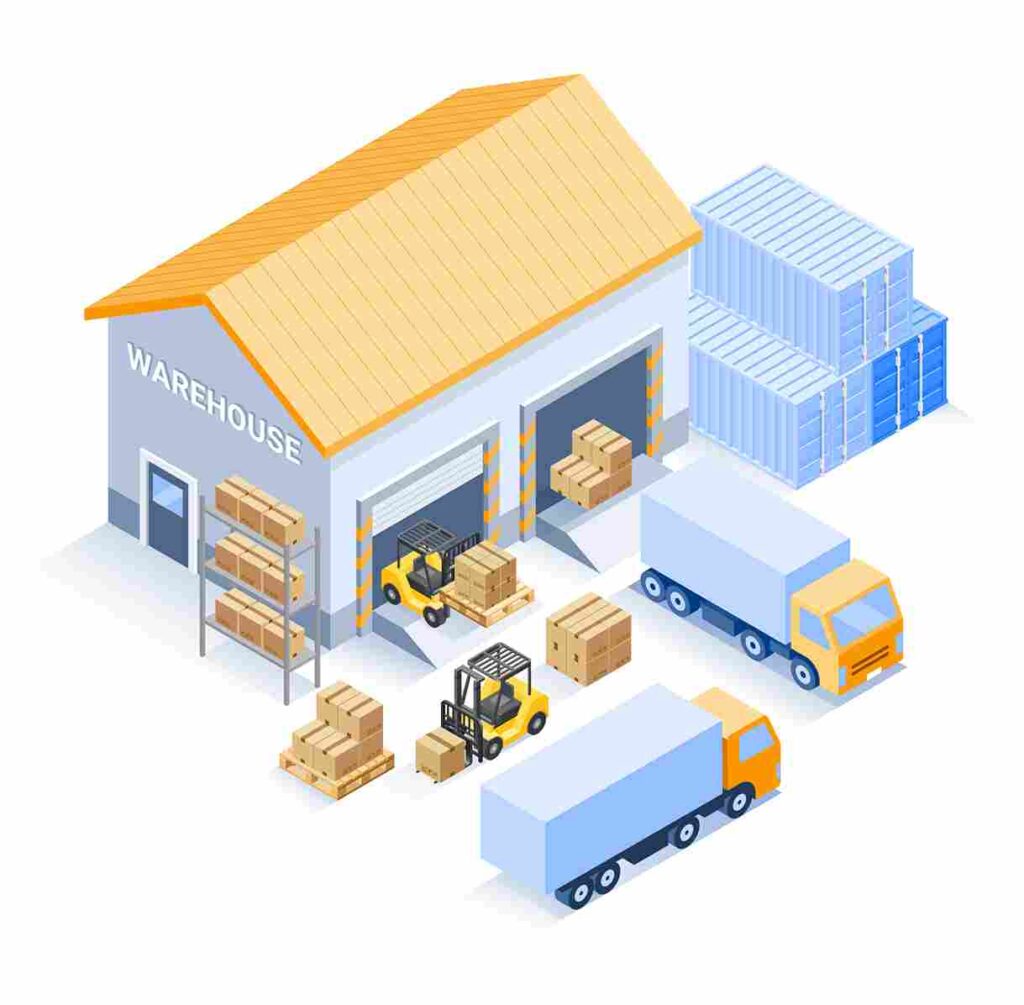
What is WMS? What can it help entrepreneurs with?
WMS stands for Warehouse Management System. WMS is a warehouse management system that helps manage warehouses, allowing work to be done efficiently, accurately, quickly, saves costs, and increases the ability to track products. It is suitable for businesses with warehouses or businesses that need to manage inventory.
WMS system helps entrepreneurs in many ways.
WMS helps with warehouse management.
- Improve efficiency: Help warehouse operations be faster, more accurate, and reduce errors.
- Reduce costs: Helps reduce operating costs, save time, labor and space.
- Increase storage space: Efficient storage systems help make efficient use of storage space.
- Enhanced Tracking Capabilities: It enables real-time tracking of inventory, incoming and outgoing goods, and product status.
- Reduce the problem of lost products: The system for checking in-out products helps reduce the problem of lost products.
- Reduce dependence on human labor: Automation helps reduce dependence on human labor.
WMS helps with customer service
- Increase customer satisfaction: Help deliver products quickly and on time.
- Improve delivery efficiency: Route planning system helps to deliver products faster.
- Reduce shipping errors: Pre-shipment product inspection system helps reduce errors.
WMS helps with data analysis
- Inventory Data Analysis: Helps analyze inventory data, inventory levels, best-selling products, products nearing expiration, etc.
- Support decision making: Information from the system supports business decisions such as ordering products, running promotions, etc.
- Retail Business: WMS helps manage inventory in warehouses, deliver products to customers quickly, and analyze product data to plan purchase orders.
- Ecommerce Business: WMS helps manage inventory, prepare products for shipping, and track product status.
- Manufacturing Business: WMS helps manage raw materials, spare parts and finished goods.
Who should use a Warehouse Management System?

WMS or Warehouse Management System is suitable for businesses with warehouses or businesses that need to manage inventory, especially businesses that have a large number of products, deliver products frequently, require accuracy, speed, and want to reduce costs. Both WMS are suitable for:
Businesses with a large number of products
Helps track stock, search for products and manage inventory efficiently.
Businesses with frequent deliveries
It enables fast and accurate preparation of goods for shipment.
Businesses with multiple warehouses
Help manage your entire warehouse from one system.
Businesses looking to reduce costs
WMS helps reduce warehouse management costs, inventory counts, and shipping errors.
Businesses looking to improve efficiency
WMS helps to improve warehouse management efficiency, speed up delivery of goods and increase customer satisfaction.
Businesses that use WMS systems such as:
- Retail businesses: Department stores, convenience stores, supermarkets, drug stores, clothing stores, electrical appliance stores
- Ecommerce Business : Online Shopping Website, Online Shopping Platform
- Logistics Business: Shipping Company, Warehouse Company
- Manufacturing business: Manufacturing plants, Food industry, Automotive industry
- Other businesses: hospitals, government agencies
What does WMS Symtem do?
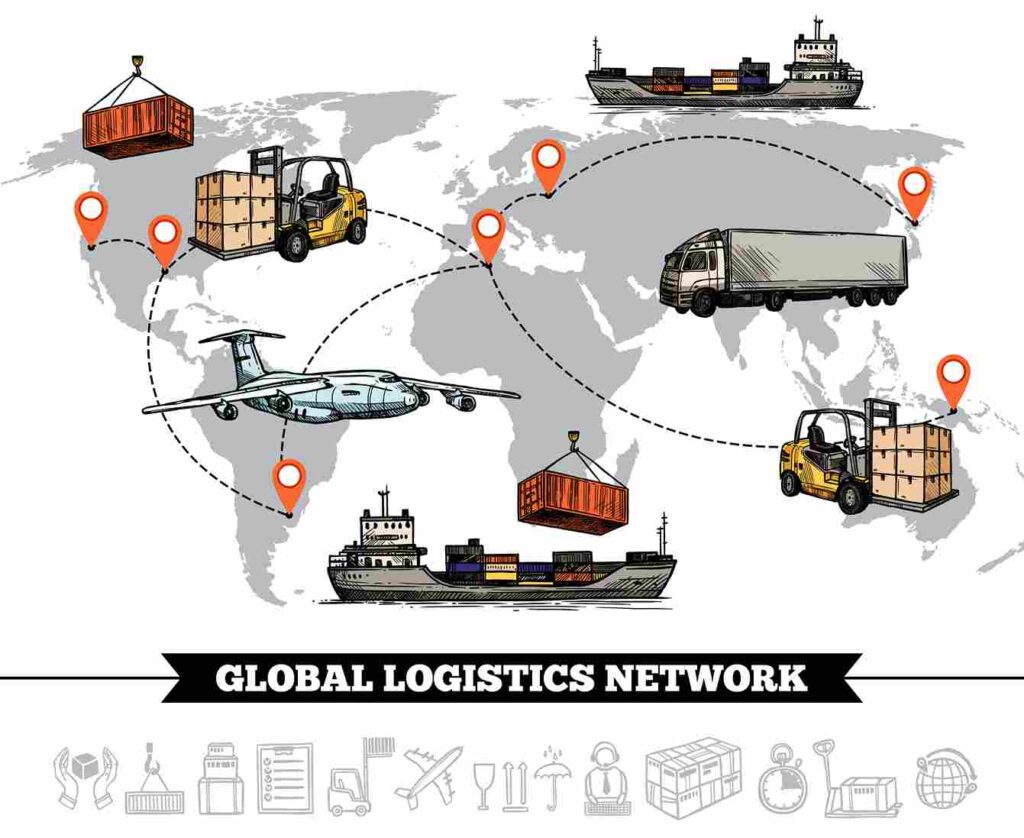
WMS is a program system that helps increase efficiency in warehouse operations, such as:
Receiving Goods
The system will manage the inspection of received products to ensure they match the purchase order and store them in the correct location.
Storage
The system will recommend the appropriate location for storing products, taking into account factors such as product type, expiration date, best-selling products, etc.
Moving Goods
The system will help plan the movement of goods within the warehouse, saving time and labor.
Inventory counting
The system will track inventory levels in real time, helping you know the exact number of items you have.
Sales of products
The system will manage the products according to the order and prepare them for shipping.
Inventory Quantity Report
The system can generate reports on inventory quantities, incoming and outgoing goods, near-expired goods, etc.
Product status check
Users can check the status of the product in real time, such as where the product is, whether it is being delivered or awaiting pickup.
How many types of WMS are there?
WMS can be categorized into three main types based on their usage as follows:
1. Standalone WMS
It is a standalone WMS system that does not connect to other systems.
Suitable for small or medium-sized businesses with uncomplicated warehouse management.
strength
- Not expensive
- Easy to install and use
- No need for a complex IT system
weakness
- Unable to connect to other systems such as ERP
- Unable to support complex applications
- Unable to analyze data in depth
2. On-Premise WMS
It is a WMS system installed on an internal server within the organization.
Ideal for large businesses that need full control over their systems and data.
strength
- Highly secure
- The system can be customized to meet business needs.
- Able to control all data within the organization
weakness
- Expensive
- Requires a complex IT system
- It takes a long time to install and maintain.
3. Cloud-based WMS
It is a WMS system that works via the Cloud system. It does not require installation on a server.
Suitable for businesses of all sizes that require ease of use and want to reduce installation and maintenance costs.
strength
- Not expensive
- Easy to install and use
- Access information anywhere, anytime.
- No need for a complex IT system
weakness
- Security may not be as high as on-premise systems
- The system is not as customizable as on-premise systems.
- Internet connection required
What are the benefits of WMS?
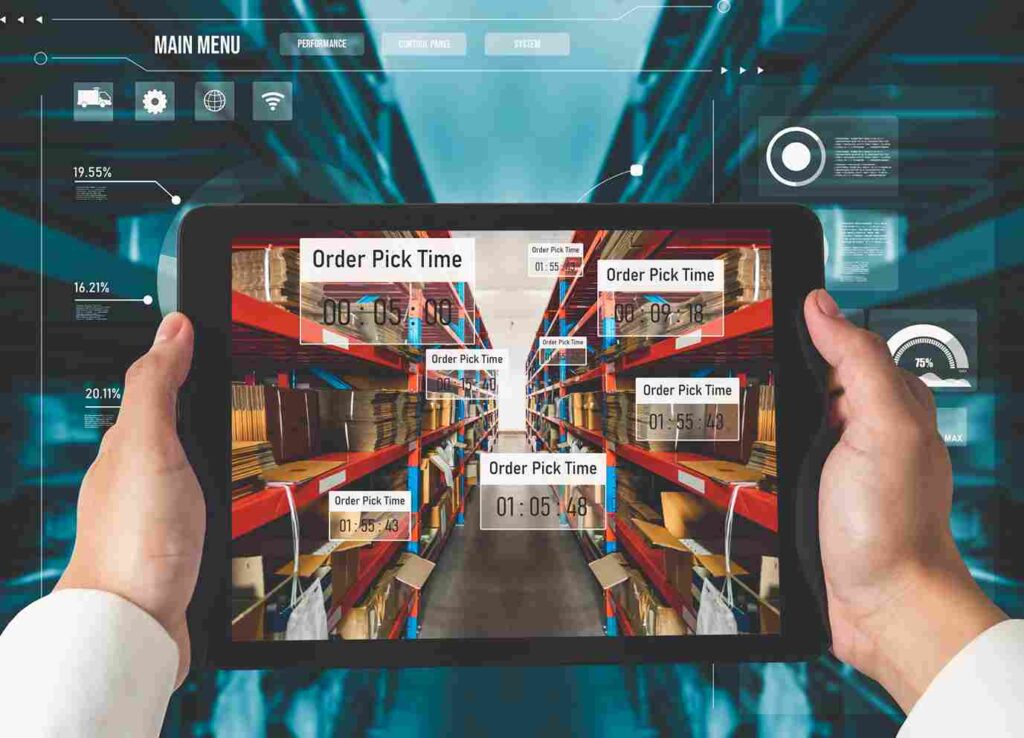
1. Improve warehouse management efficiency
- Increase work speed by calculating the appropriate storage location, making it easier to store and search for products.
- Increase accuracy, help reduce errors from manual work such as storing products in the wrong location, picking up the wrong products.
- Reduce costs, hire employees, reduce product loss
- Increase business operations and sales, helping businesses work more efficiently, resulting in positive sales results.
2. Increase visibility of product status in real time.
- Able to track products at every stage, from receiving products to shipping them out of warehouse.
- You can check your stock in real time.
- Able to analyze product data such as stock items and products nearing expiration.
3. Increase efficiency in warehouse space management.
- Efficiently store products, allowing full storage space
- Reduces storage space, allowing for more efficient storage
4. Increase efficiency in product delivery
- Faster delivery
- Reduce shipping errors
5. Support business expansion
- WMS can support business expansion (WMS scalable)
- WMS allows for easy changeover (WMS flexible)
6. Increase competitiveness
- WMS helps businesses operate efficiently.
- WMS helps businesses to compete with others.
How does WMS help solve product sourcing problems?
WMS system helps solve the problem of finding products in the warehouse, both by reserving storage space. The system will calculate the appropriate storage space and reserve space in advance, helping employees know where each product should be stored, reducing the problem of not being able to find products. WMS has a fast and accurate product search system. Employees can search for products in various ways, such as searching by product name, product number, product type, product lot, etc., helping to find products quickly without having to waste time walking around looking for products in the warehouse. It helps to store products systematically. The system will recommend the appropriate storage method, such as storing according to FIFO, LIFO, FEFO or by product age, helping to rotate inventory efficiently and reduce the problem of product deterioration. It also helps to check inventory accurately. The system will record data on products entering and leaving the warehouse, allowing to check the inventory amount in real time, helping to know the inventory stock accurately and reduce the problem of lost products. WMS also generates a report on inventory results, helping to analyze product data and plan product management effectively.
It can be seen that WMS helps businesses to manage their warehouses better. M-Creation offers services for creating intelligent warehouse management systems that will help increase the speed and accuracy of product management, reduce costs, and increase profits with an automated system, as well as after-sales service and SME website creation services, supervised by a team of experts ready to provide support services at all times.
For more information, click here!
Frequently Asked Questions About What is WMS?
What activities does WMS have?
WMS is a program system that helps in the work of the warehouse, such as:
Receiving Goods Manage and inspect received goods to ensure they match the purchase order and are stored in the correct location.
Product storage recommends appropriate locations for storing products, taking into account factors such as product type, expiration date, best-selling products, etc.
Product movement helps plan the movement of products within the warehouse, saving time and labor.
Inventory counting Track inventory in real time, helping you know the exact quantity of products.
Product sales The system will manage products according to the purchase order and prepare the products for shipping.
Inventory Quantity Report The system generates a report on inventory quantity, incoming and outgoing goods, and products nearing expiration.
Product status check You can check the status of your product in real time, such as where it is, whether it is being delivered or waiting for delivery.
How many types of WMS are there?
WMS can be categorized into three main types based on their usage as follows:
1. Standalone WMS is a standalone WMS system that does not connect to other systems. It is suitable for small or medium-sized businesses that do not have complicated warehouse management.
2. On-Premise WMS is a WMS system installed on a server within the organization, suitable for large businesses that need to control all systems and data within the organization.
3. Cloud-based WMS is a WMS system that is used through the Cloud system. It does not need to be installed on a server. It is suitable for businesses of all sizes that want ease of use and want to reduce installation and maintenance costs.
What issues can WMS solve?
WMS helps solve warehouse management problems, helps work in the warehouse quickly, accurately, and reduces errors, reduces operating costs, increases storage space efficiently, helps track inventory, incoming and outgoing goods, and product status in real time, reducing the problem of lost goods.
In terms of customer service, we help deliver products quickly and on time.
In terms of data analysis , it helps analyze inventory data, inventory levels, best-selling products, products nearing expiration, supports business decisions such as ordering products, organizing promotions, helps manage inventory in the warehouse, deliver products to customers quickly, and analyzes product data to plan product orders.
What is the difference between ERP and WMS systems?
ERP system is an overall enterprise resource management system covering many departments such as finance, sales, production, accounting, human resources, focusing on tracking information and managing work processes holistically, aiming to increase efficiency and effectiveness of the overall business. WMS system is a specific warehouse management system, focusing on inventory control, storage, picking, shipping and tracking product status, focusing on increasing efficiency in managing products in the warehouse, reducing costs, increasing accuracy and speed.


